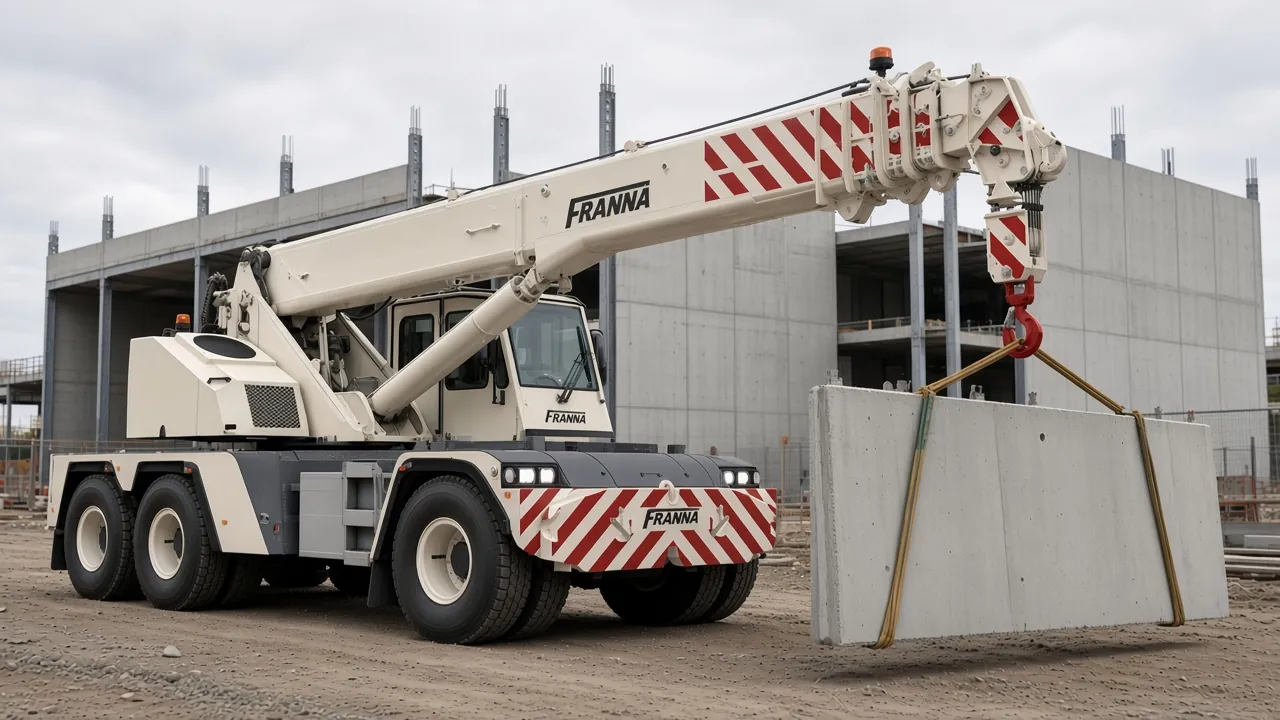
Precast concrete is heavy, dense and unforgiving, which is why precast lifts need accurate weights, the right lifting gear and careful planning. Pick-and-carry cranes are used across South East Queensland to unload precast, carry it to position and set it in place.
Common precast lifts
- Wall panels: precast or tilt-up panels for warehouses, retaining walls and commercial buildings.
- Box culverts: units for drainage and road crossings.
- Pits and chambers: stormwater and sewer pits, junction boxes and access chambers.
- Pipes: reinforced concrete pipes for drainage and stormwater.
- Headwalls and wingwalls: for culverts and outlets.
- Kerb, barrier and blocks: road barriers, retaining blocks and landscape units.
- Stairs and beams: precast stair flights and beams for buildings.
Weights and lifting inserts
Precast elements are cast with lifting inserts or anchors, set in the concrete during manufacture. The manufacturer specifies the weight, the lifting points and the lifting system to be used. Using the right clutches and rigging for those inserts is essential, because the inserts are designed for specific loads and angles.
Concrete weighs roughly 2.4 to 2.5 tonnes per cubic metre, so even modest-looking elements are heavy. A single precast panel or large culvert can weigh many tonnes. Always get the weights from the precaster's documentation.
How precast is lifted
- Check the paperwork. Weights, insert locations and the specified lifting system come from the precaster.
- Rig correctly. Use the matching clutches or lifting attachments, and spreaders or slings at the right angles.
- Lift from the truck. Precast is often lifted straight from the delivery truck.
- Carry and place. A pick-and-carry crane carries the element to its location and lowers it onto bedding or into the trench.
- Secure. Panels are propped or fixed as specified before the crane releases.
Civil jobs and pick and carry
On civil jobs, precast often has to be placed along a line, such as a row of culvert units under a road or a run of pits along a new estate. A pick-and-carry crane can travel along the job with the precast, which keeps things moving. Trenches, batters and soft ground need care, so the crane works from a stable, compacted path where possible.
Panel erection
Panel erection usually involves rotating or tilting a panel from flat to upright, which changes the loads on the inserts and the crane. This work is planned in detail by the builder and precaster, and it needs licensed rigging crew. Larger panels can exceed what a pick-and-carry crane can do safely, and a slewing crane is often the right choice. We will tell you honestly if your panels suit a Franna.
Franna hire questions
How heavy is a precast panel?
Weights vary widely with size and thickness. The precaster provides the weight for each element, which is what the lift is planned on.
Can a Franna place culverts in a trench?
Yes, provided the crane can work from stable ground beside the trench and the reach and weight are within the load chart.
Do I need special lifting gear for precast?
Yes. Precast inserts are designed for specific lifting systems. The correct clutches and rigging must be used.
Can a Franna erect tilt panels?
Smaller panels may be possible, but many tilt panel jobs need slewing cranes. We will advise based on the panel weights and sequence.
Keep reading
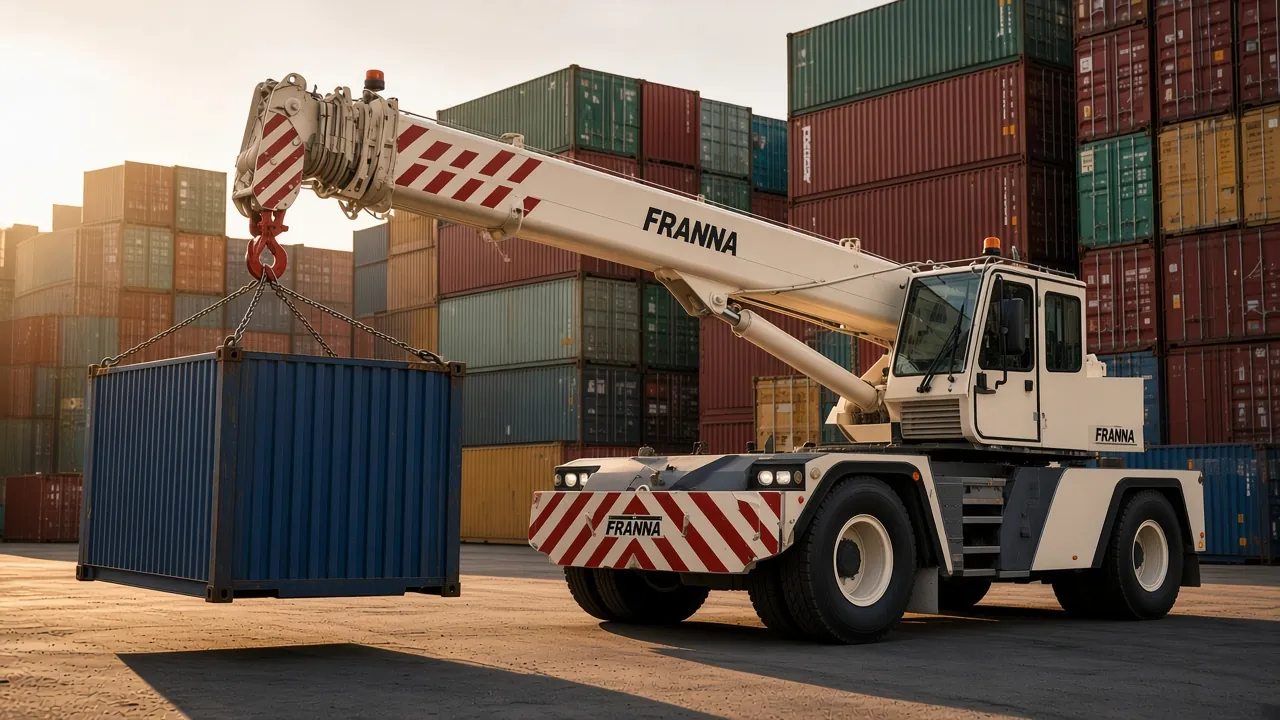 Shipping Container LiftingPlacing, moving and loading 10, 20 and 40 foot containers on homes, farms, sites and yards.Read more
 Steel Beam LiftingColumns, beams, portal frames, rafters and lintels for sheds, warehouses, homes and commercial builds.Read more
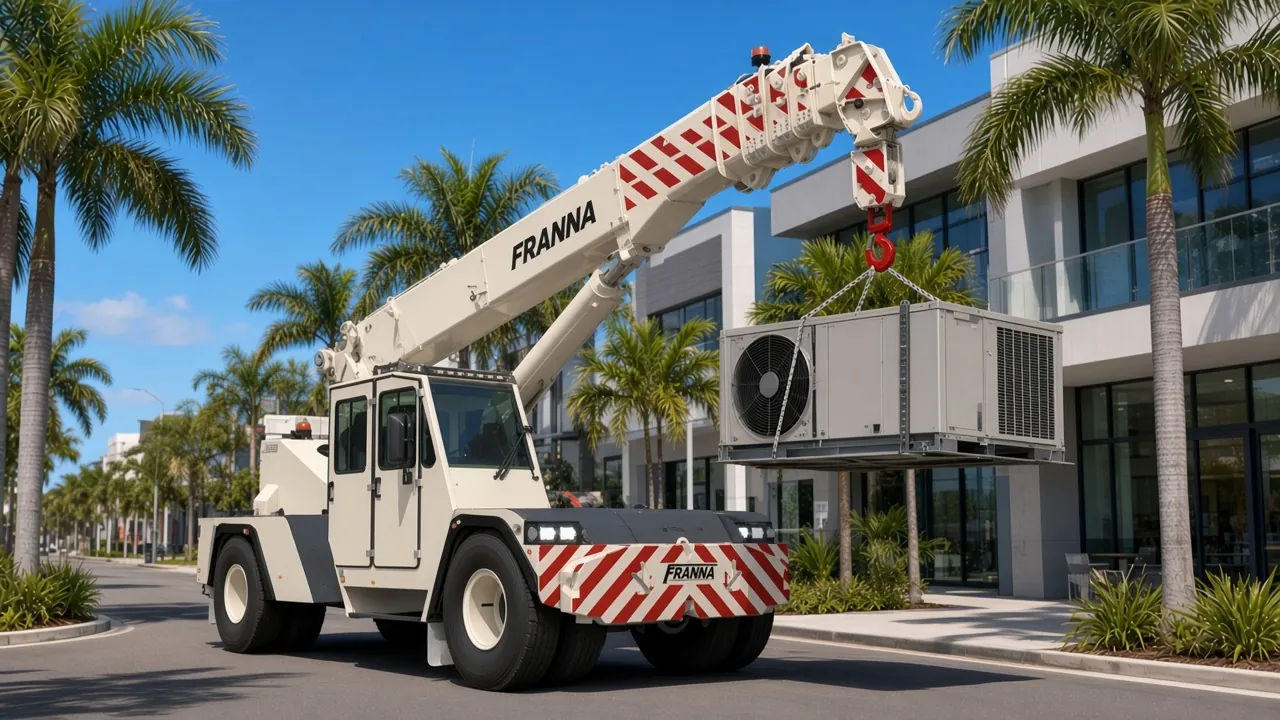 HVAC and Rooftop Plant LiftsCondensers, packaged units, chillers, fans and solar equipment lifted to roofs and plant decks.Read more
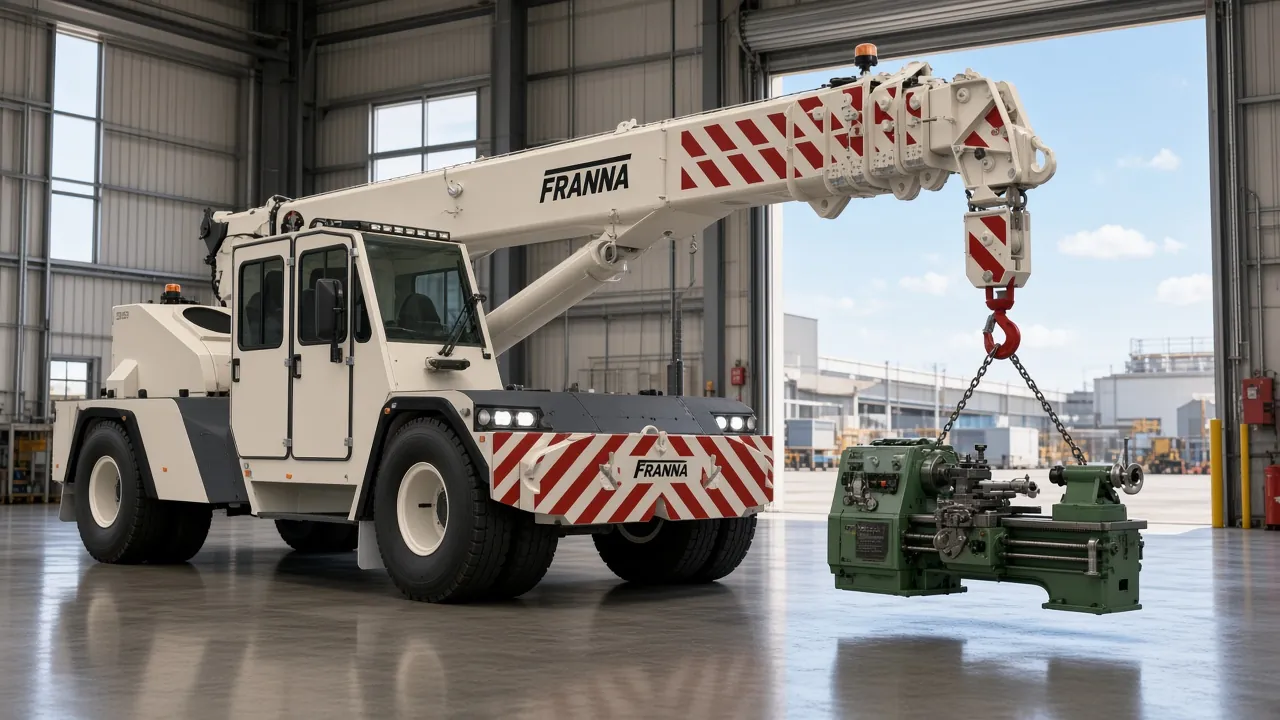 Machinery MovingFactory machines, generators, compressors and plant loaded, unloaded and moved into place.Read more
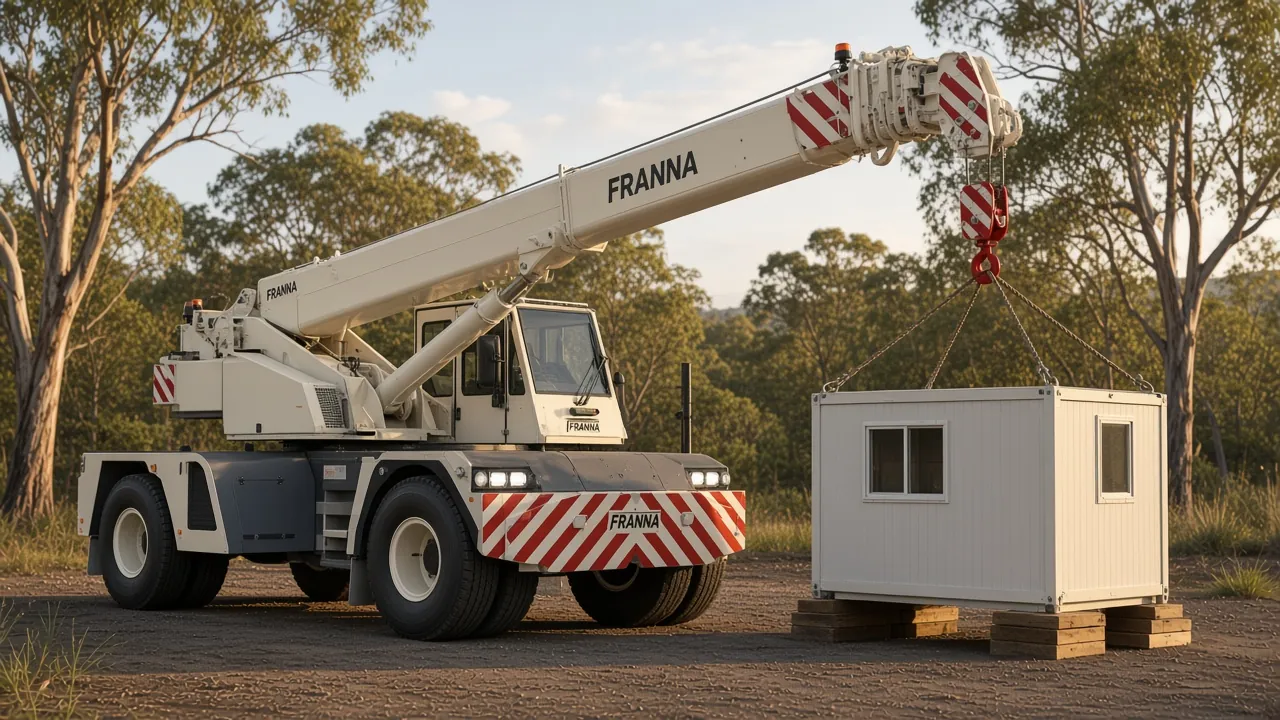 Site Sheds and DemountablesSite sheds, demountables, toilet blocks and modular rooms placed and relocated.Read moreGenerator LiftingStandby and prime generators, enclosures and base tanks placed on pads, plinths and roofs.Read more
 Transformer and Switchboard LiftingTransformers, kiosk substations, main switchboards and electrical cabinets placed for electrical contractors.Read moreSignage and Structure LiftsPylon signs, shopfront signage, shade sails, canopies and steel structures.Read moreModular Building PlacementPrefab homes, granny flats, cabins, studios and pods set onto footings.Read more
Tell us what you need lifted
Send the load, its rough weight and size, the site address and the date. Photos of the load and the access help us size the right crane first time.
- Licensed and insured operators
- Day, after-hours and weekend lifts
- Brisbane, Gold Coast and Sunshine Coast
- Written quote before the job is booked
Prefer email? info@frannacranehirebrisbane.com.au
Request Received
Thanks ! Someone from Franna Crane Hire Brisbane will call you back shortly. For emergencies right now, please call us directly.
Call 07 3103 9872