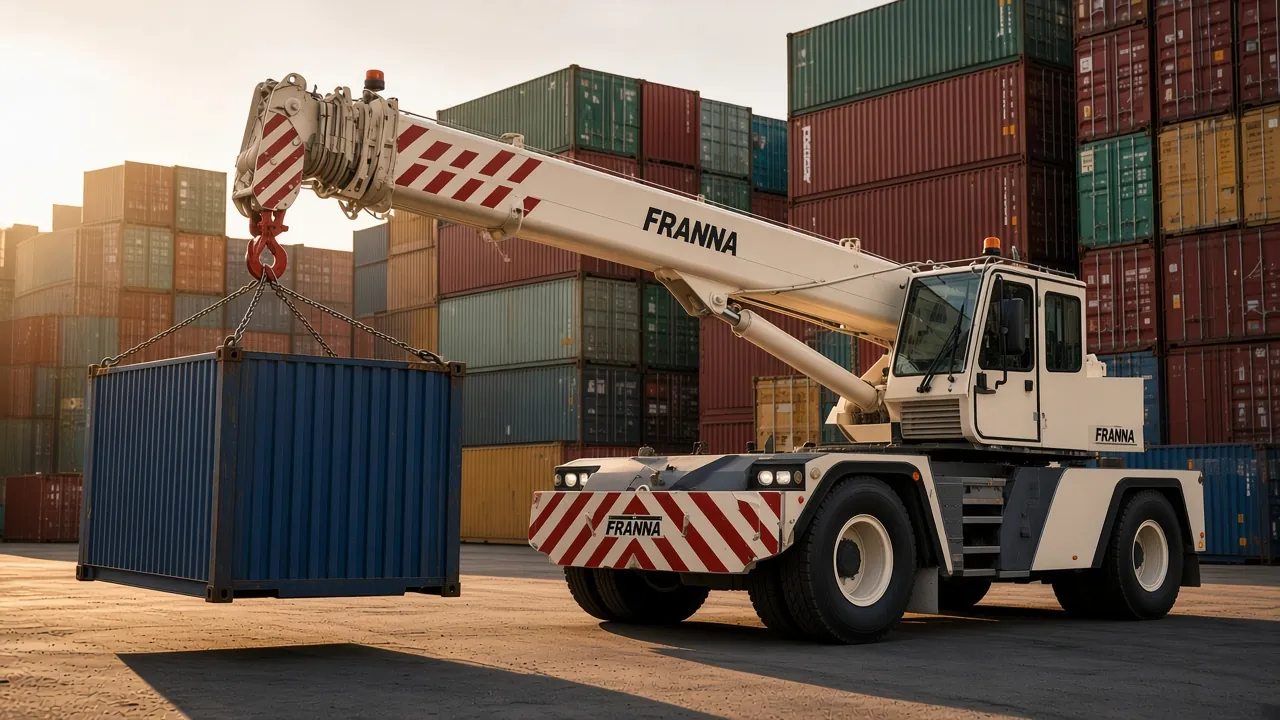
Shipping containers are one of the most common Franna lifts in South East Queensland. Whether a container is being dropped onto a block for storage, moved to the back of a property, loaded onto a truck or stacked in a yard, a pick-and-carry crane can usually lift it, carry it and place it in one visit.
Why use a Franna for containers
Container delivery trucks with tilt trays or side loaders can place a container on flat, open ground close to the road. When the container has to go somewhere the truck cannot reach, such as behind a house, over a fence, onto footings, into a tight corner of a yard or onto a second container, a crane is the next step.
A pick-and-carry crane suits container work because it can lift the container from the truck and then drive with it to where it needs to go. On a property with a long driveway or a yard where the container has to go to the back fence, that saves a lot of time compared with a crane that has to set up in one place and reach.
Typical container weights
The weight of an empty container, called the tare weight, is printed on the container doors along with the maximum gross weight. Always check the doors of your container, but these typical figures help with early planning.
- 10 foot container: typically around 1.2 to 1.5 tonnes empty
- 20 foot standard container: typically around 2.2 to 2.5 tonnes empty
- 20 foot high cube: a little heavier than a standard 20 foot container
- 40 foot standard container: typically around 3.7 to 4 tonnes empty
- 40 foot high cube: typically around 3.9 to 4.2 tonnes empty
- Refrigerated and modified containers: heavier, and often considerably heavier when they have been fitted out as offices, kitchens or homes
A loaded container can weigh many times more than its tare. If a container is full of stock, furniture or equipment, tell us what is inside, or empty it before the lift where possible. A full container is a very different lift from an empty one.
How a container is lifted
Containers have corner castings at each corner, which are the designed lifting points. The common methods are lifting from the top corners with a four-leg chain or sling set, or using a spreader bar or frame so the lifting forces stay vertical. The method depends on the container, its condition and whether it is loaded.
- Check the container. The doors, the tare and gross weight plate, the condition of the corner castings and whether anything is inside.
- Rig it. Attach chains or slings to the corner castings, often with a spreader to keep the load stable and avoid damaging the container.
- Lift and carry. The crane lifts the container just clear of the truck or ground and carries it, kept low, to the set-down point.
- Place it. The container is lowered onto footings, sleepers or prepared ground, with a dogman guiding it into exact position.
Preparing the set-down point
- Level base. A container should sit level so the doors open and close properly. Concrete footings, sleepers or a compacted road base pad are common.
- Support at the corners. Containers are designed to bear weight at the corners, so footings or blocks under each corner are ideal.
- Drainage. Raising the container slightly above the ground helps water drain and reduces rust.
- Clearance. Leave room for the doors to swing open, and allow for access around the container.
- Council rules. Some councils require approval for containers on residential land or in certain zones, especially if they are permanent or modified. Check with your council.
Common container jobs
- Placing a storage container at the back of a residential block
- Moving containers within storage yards, depots and logistics sites
- Lifting containers onto and off trucks for relocation
- Stacking containers for site storage or workshops
- Placing modified containers as site offices, cafes, pop-up shops or granny flats
- Recovering containers from difficult positions
Site factors that change the crane
The crane needed for a container lift depends far less on the container weight than on the distance and the ground. An empty 20 foot container is well within the capacity of most pick-and-carry cranes close in, but the capacity at reach drops quickly. If the container has to be placed over a fence or the crane cannot drive right up to the set-down point, a larger class may be required. Soft lawns, slopes and powerlines also all play a part.
Franna hire questions
Can a Franna lift a 40 foot container?
Yes, an empty 40 foot container is a common Franna lift. The crane class depends on the reach and the site, and a spreader is often used to keep the long container stable.
Can you lift a container with things inside it?
Sometimes, but the load has to be known and secured, and the container must be rated for it. Tell us what is inside and roughly how much it weighs. Emptying the container makes the lift simpler.
Do I need council approval for a container?
It depends on your council and how the container will be used. Check with Brisbane City Council, City of Gold Coast, Sunshine Coast Council or your local council before placing a permanent container.
Can you put a container on top of another container?
Yes, containers can be stacked using the corner castings, with twist locks or other fixings to secure them.
Keep reading
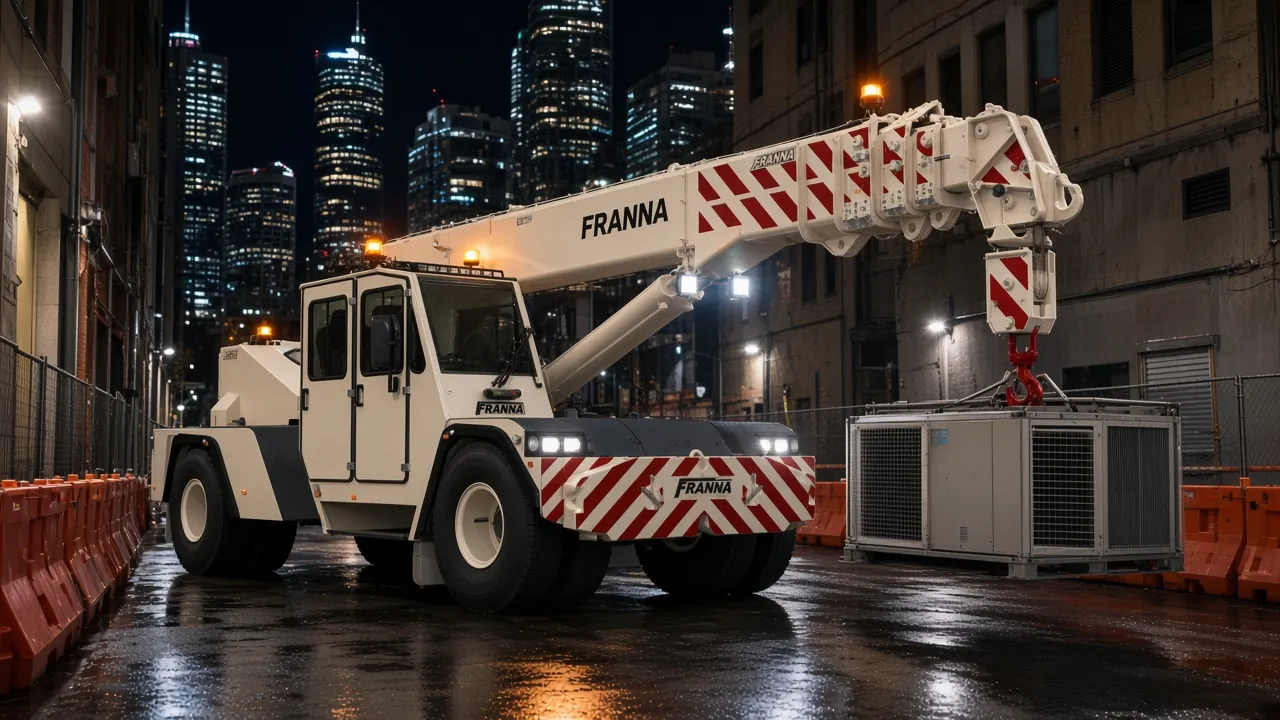 Steel Beam LiftingColumns, beams, portal frames, rafters and lintels for sheds, warehouses, homes and commercial builds.Read more
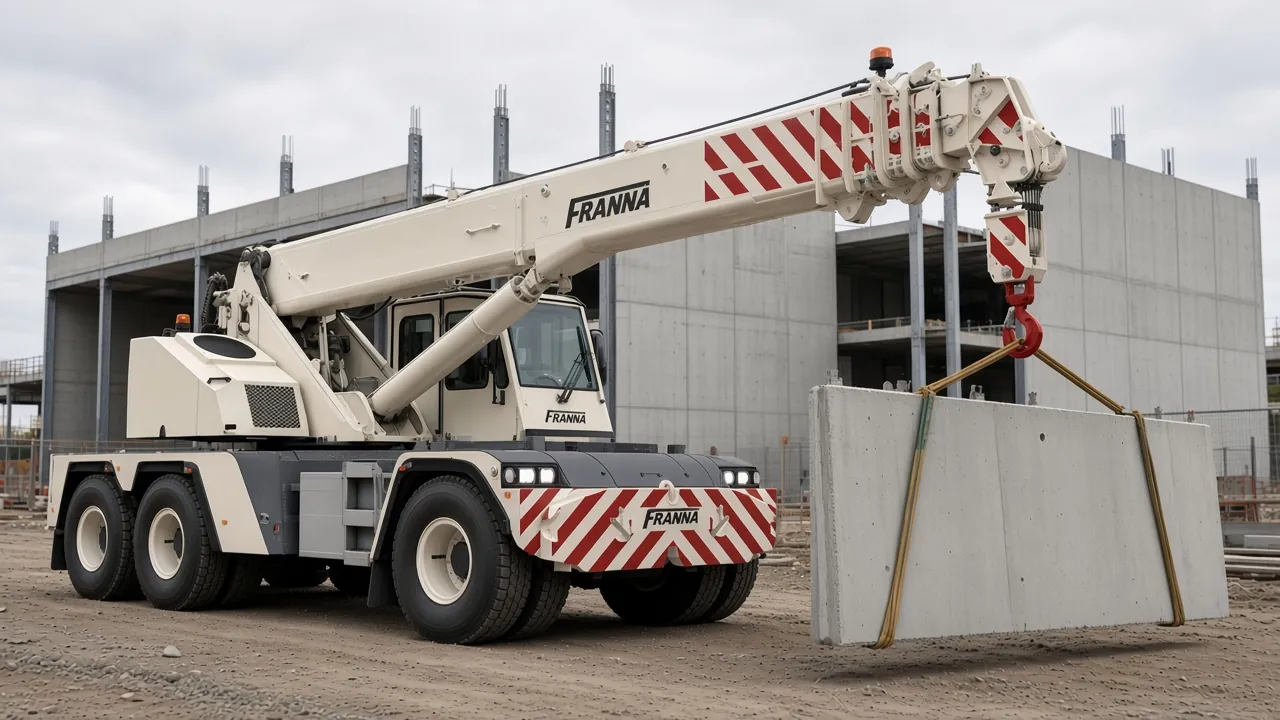 Precast Panel LiftingPanels, culverts, pits, headwalls, pipes and kerb units on civil and building sites.Read more
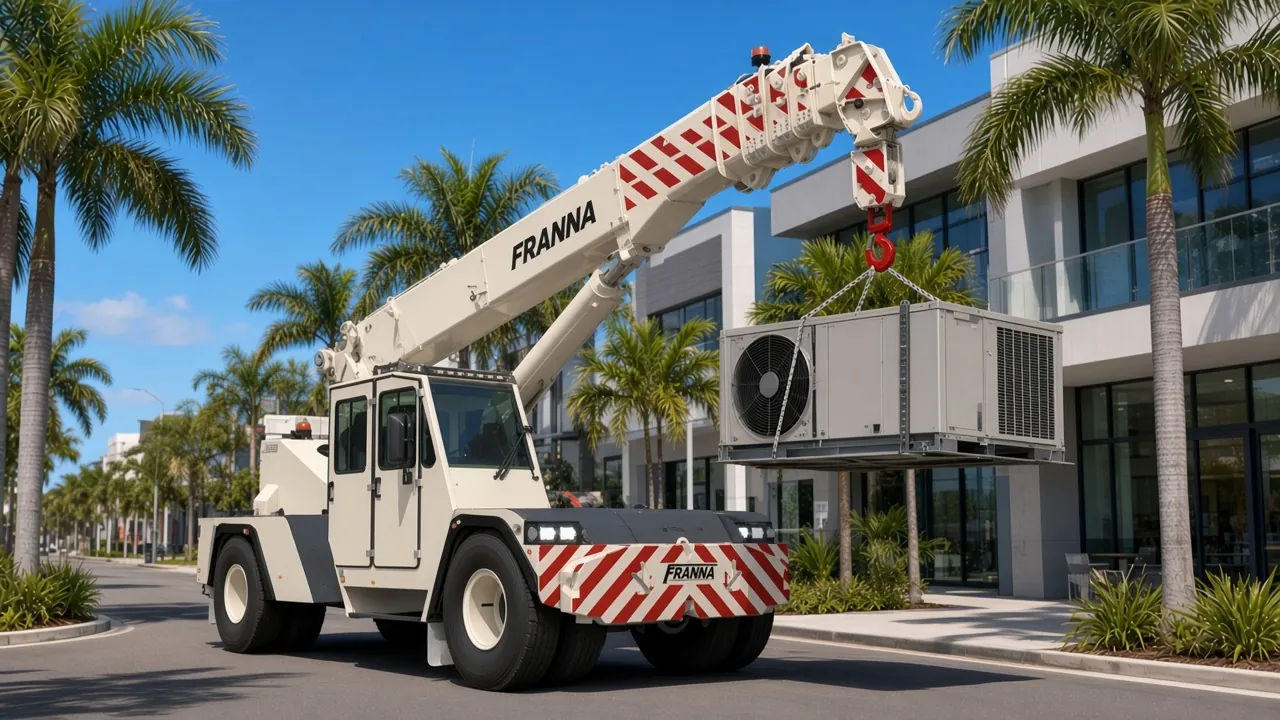 HVAC and Rooftop Plant LiftsCondensers, packaged units, chillers, fans and solar equipment lifted to roofs and plant decks.Read more
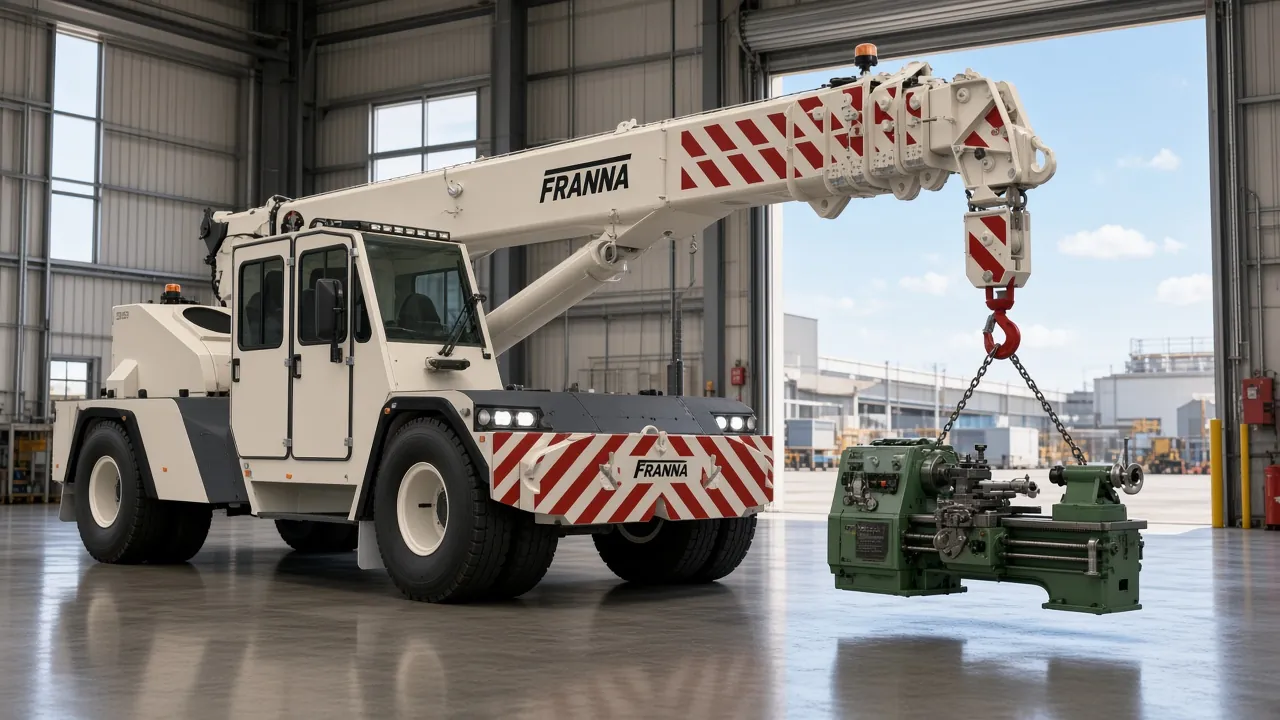 Machinery MovingFactory machines, generators, compressors and plant loaded, unloaded and moved into place.Read more
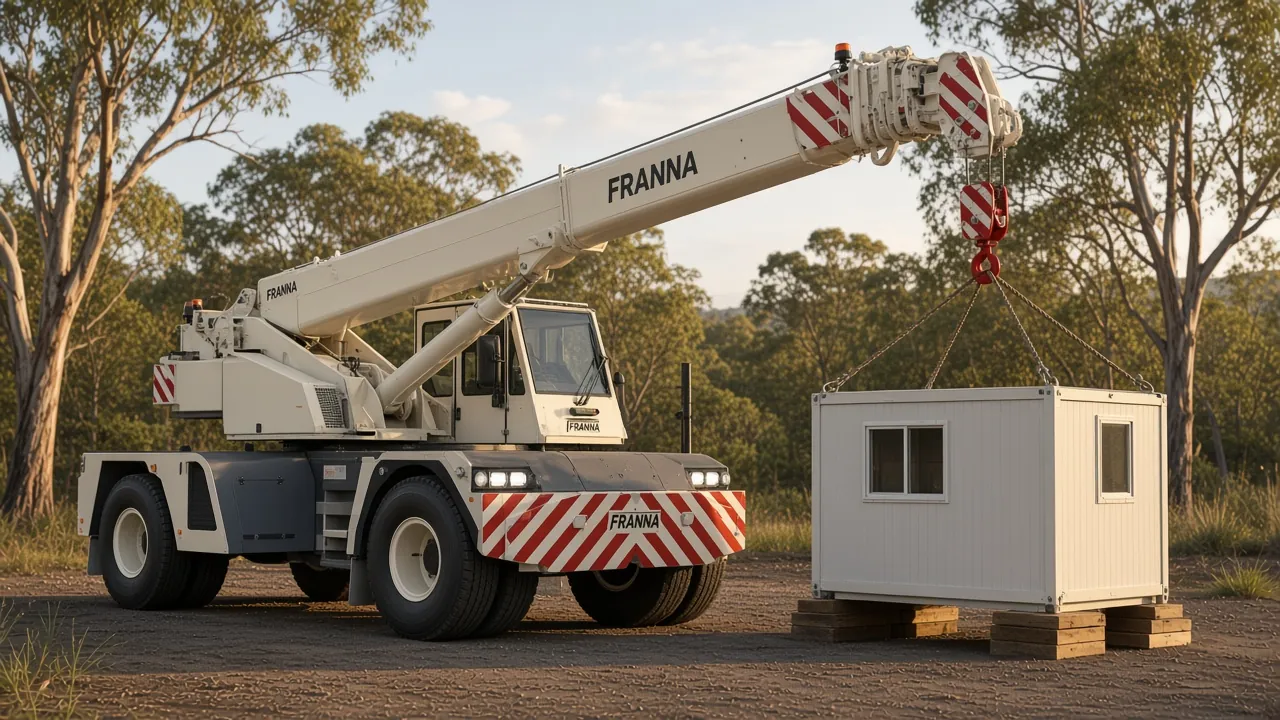 Site Sheds and DemountablesSite sheds, demountables, toilet blocks and modular rooms placed and relocated.Read moreGenerator LiftingStandby and prime generators, enclosures and base tanks placed on pads, plinths and roofs.Read more
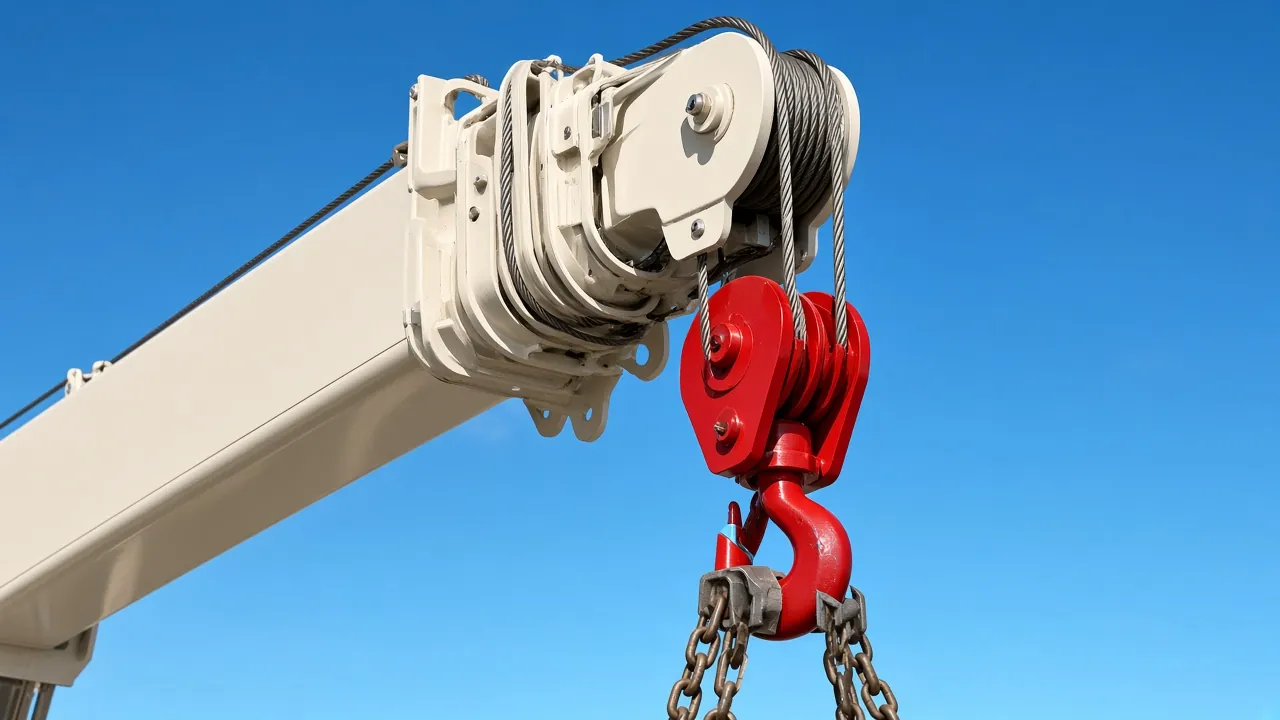 Transformer and Switchboard LiftingTransformers, kiosk substations, main switchboards and electrical cabinets placed for electrical contractors.Read moreSignage and Structure LiftsPylon signs, shopfront signage, shade sails, canopies and steel structures.Read moreModular Building PlacementPrefab homes, granny flats, cabins, studios and pods set onto footings.Read more
Tell us what you need lifted
Send the load, its rough weight and size, the site address and the date. Photos of the load and the access help us size the right crane first time.
- Licensed and insured operators
- Day, after-hours and weekend lifts
- Brisbane, Gold Coast and Sunshine Coast
- Written quote before the job is booked
Prefer email? info@frannacranehirebrisbane.com.au
Request Received
Thanks ! Someone from Franna Crane Hire Brisbane will call you back shortly. For emergencies right now, please call us directly.
Call 07 3103 9872